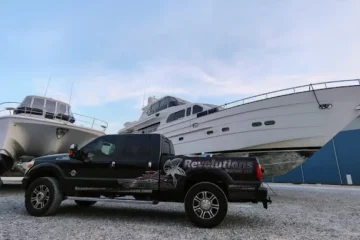
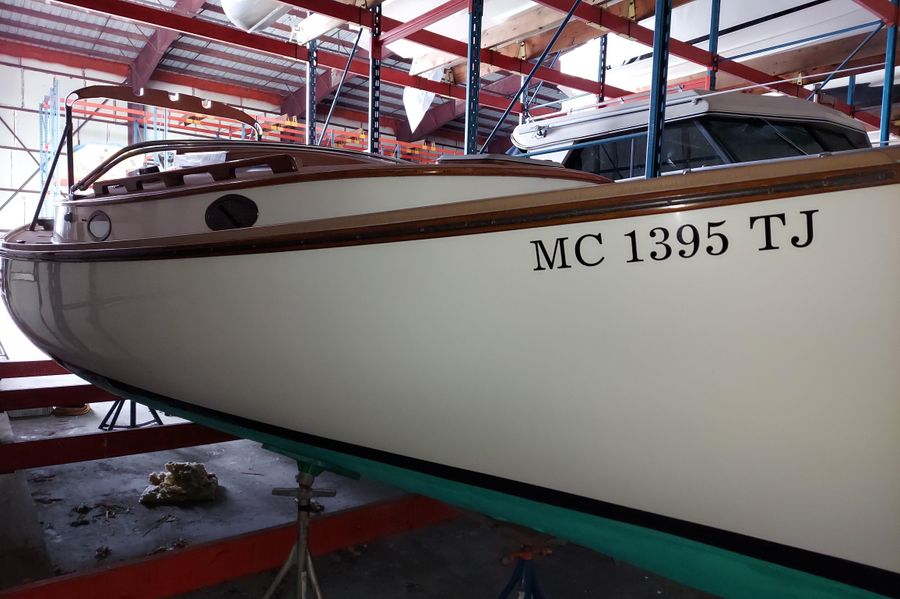
Boat repair services in Pensacola provided by Revolutions Marine.
If you keep a boat anywhere between Perdido Key and Navarre, you already know the environment is doing quiet damage to your powerplant every single day. Saltwater intrusion, ethanol-blended fuel sitting in a tank through a humid August, and water temperatures that push cooling systems to their limit — those three things account for a huge share of the engine failures that show up at Panhandle boatyards.
Most of them are preventable. Almost all of them are cheaper to fix early.
Here’s a straightforward look at what actually goes wrong with marine engines down here, how a real diagnostic process works, and what to expect when you hand your boat to a marine mechanic in Pensacola.
The Four Failures That Ruin Gulf Coast Weekends
1. Overheating and cooling system failure
The impeller in your raw water pump is a wear item, full stop. It gets brittle, it loses vanes, and those vanes travel downstream into the cooling passages where they restrict flow. Add sand ingested from a shallow launch or a beached bow and you get partial blockages that don’t show up until you’re on plane and the alarm sounds.
Symptoms worth taking seriously: weak or intermittent tell-tale stream, temperature alarms, steam at the exhaust, or a motor that runs fine at idle and gets hot only under load. Impeller replacement and a thermostat check is routine maintenance. A cooked powerhead is not.
2. Fuel system contamination and ethanol damage
Ethanol attracts water, and phase separation in a half-full tank is one of the most common causes of a boat engine that cranks but won’t start. You get corroded fuel injectors, clogged fuel filters, gummed carburetor jets on older outboards, and degraded fuel lines that let air into the system.
Hard starting, rough idle, stumbling under acceleration, or a motor that dies when you throttle up usually points here before it points anywhere expensive.
3. Saltwater corrosion and electrical gremlins
Corroded grounds, green terminals, failed sacrificial anodes, and moisture in the wiring harness cause fault codes that look mechanical but aren’t. A no-crank condition is very often a battery, solenoid or connector problem — not a starter.
Anodes are a five-minute inspection that protects the lower unit, trim system and outdrive from galvanic corrosion. Check them.
4. Lower unit and running gear damage
Milky gear oil means water intrusion past the prop shaft or driveshaft seals, and it is an urgent finding. Left alone it destroys the gearcase. Add a spun prop hub, a dinged blade throwing vibration, or a bent shaft from a strike, and you’re into running gear work that needs the boat out of the water.
Diagnosis Before Parts
The difference between a good marine repair shop and an expensive one is diagnostic discipline. A proper workup on a modern engine means pulling stored and active fault codes with the manufacturer’s software, running a compression test, checking fuel pressure and flow, verifying water pressure, inspecting the lower unit oil, and — critically — putting the boat on the water for a sea trial under actual load.
Plenty of intermittent problems only appear at 4,000 RPM with a real load on the drivetrain. Shops that skip the sea trial tend to replace parts until the symptom disappears, and you pay for the guessing.
Repair, Rebuild or Repower?
There’s a rough decision point most owners hit eventually. If the cost of the repair approaches half the value of a new powerplant — and the engine is aging with high hours, corrosion in the midsection, or a compromised powerhead — a repower usually wins on total cost of ownership. Newer four-strokes bring better fuel economy, dramatically lower noise, cleaner emissions and modern digital controls.
A shop that can quote you honestly on both paths, including rigging, controls, and gauge integration, is worth finding.
Why Haul-Out Capability Matters
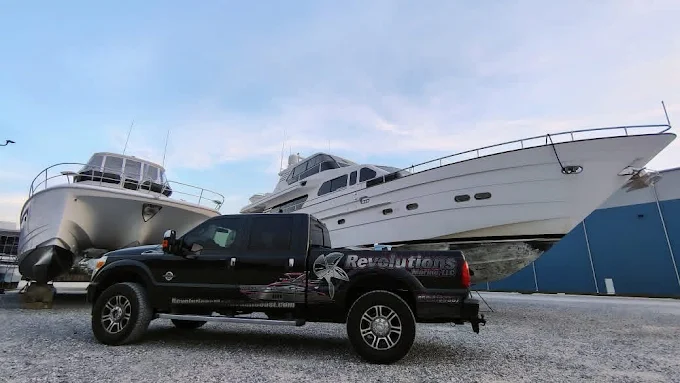
This is the part boat owners underestimate. Dockside-only mechanics can handle a lot: outboard service, fuel system work, tune-ups, electrical diagnosis. What they cannot do is pull the boat for shaft, strut, cutless bearing, thru-hull or outdrive work, or handle a repower that requires the vessel out of the water.
A yard with lift capability handles the whole job in one place instead of coordinating between a mechanic, a marina and a hauler on three different schedules.
Who’s Doing This Work in Pensacola
Revolutions Marine has been servicing engines on the Gulf Coast since 2012 and runs its full-service facility out of Pelican’s Perch Marina and Boatyard on Bayou Chico in Pensacola.
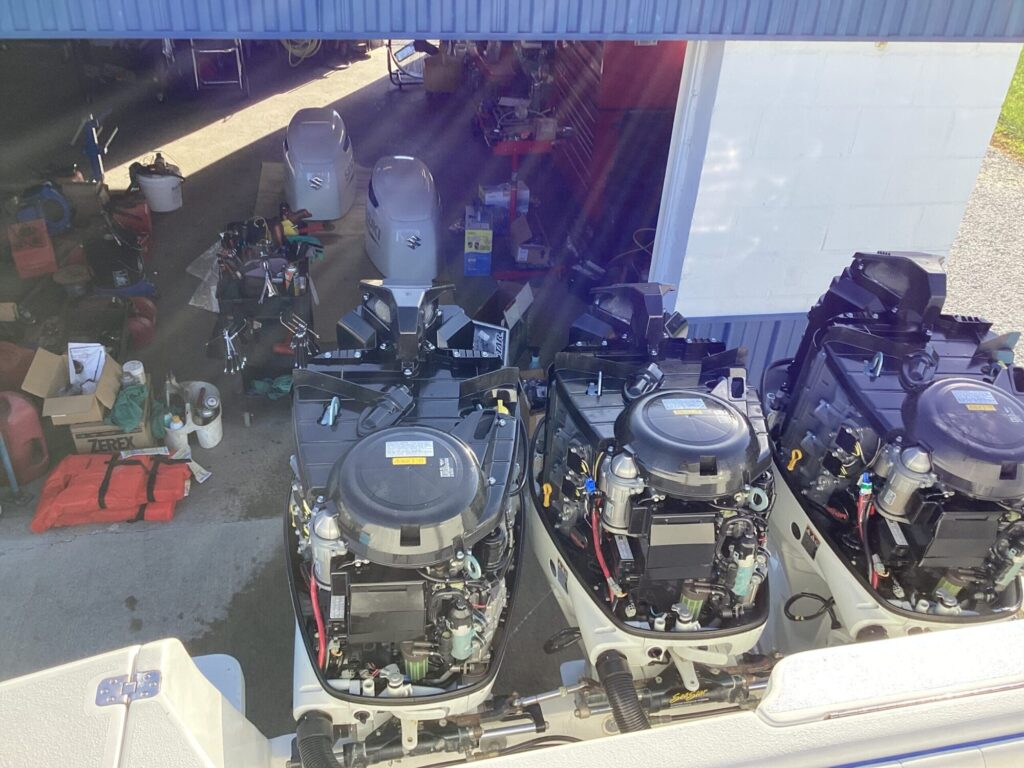
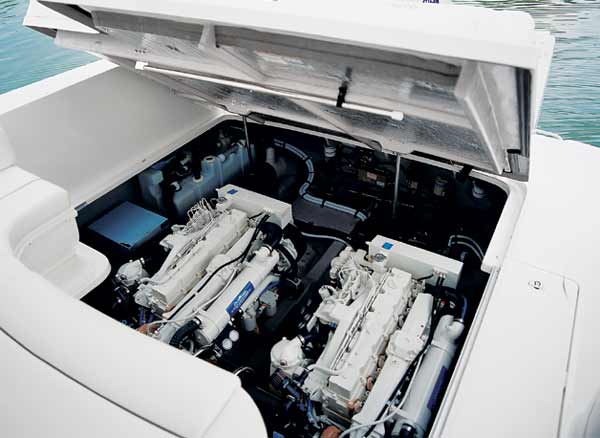
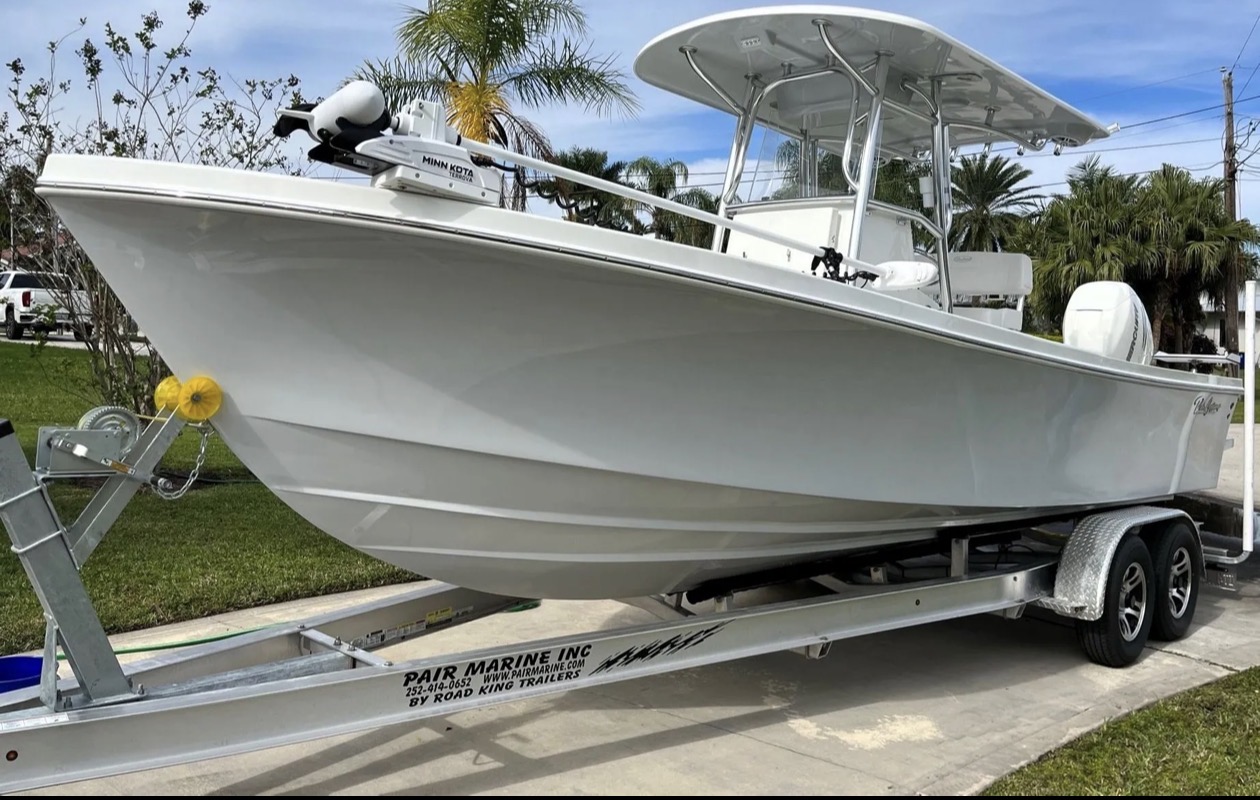
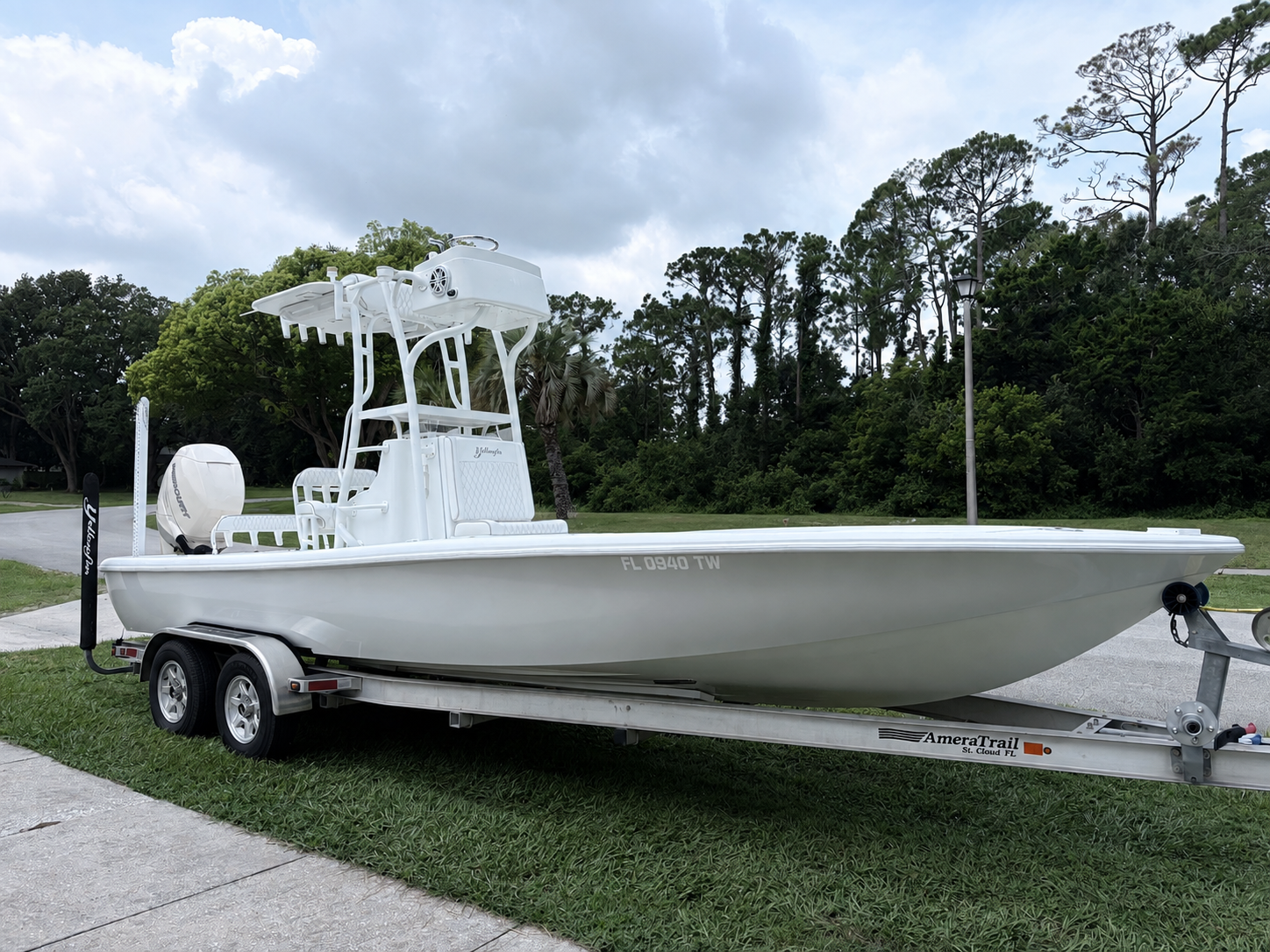
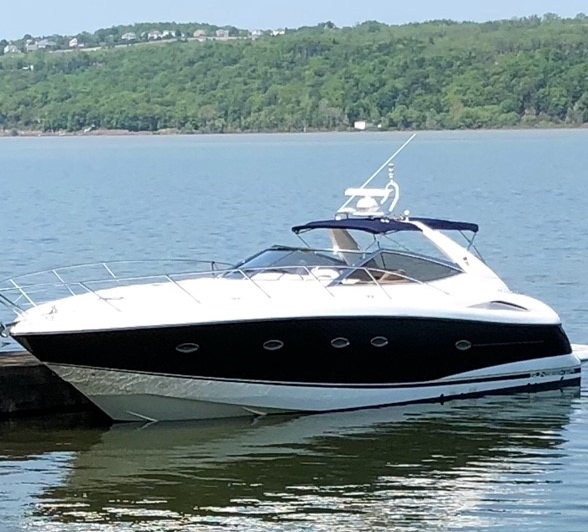
The scope covers outboard engine repair, inboard engine repair, I/O sterndrive service, marine diesel repair, trolling motor repair and complete engine repowers, on vessels ranging from 17-foot bay boats and center consoles up to 65-foot sailing yachts and commercial craft. All major brands serviced.
Two things set the operation apart practically:
- Full haul-out capability on site, so running gear service, thru-hull work and repowers get done without shipping your boat somewhere else.
- A mobile marine mechanic team, for owners who can’t move the boat and need diagnosis and repair at their slip.
They quote free estimates and respond within about an hour, and the shop carries an 83-review track record on Google alongside a BBB profile. Beyond engines, the yard also handles fiberglass repair, marine electronics installation, hull and bottom cleaning, bottom sandblasting, detailing, MarineMat decking, yacht management and captain services.
Full service details are on their boat engine repair page for Pensacola, FL.
Revolutions Marine 40 Audusson Ave, Pensacola, FL 32507 (850) 619-7567 Monday–Saturday, 6am–6pm Also serving Orange Beach, AL — 4851 Wharf Pkwy E, d118
Frequently Asked Questions
How often should a boat engine be serviced on the Gulf Coast? Annually at minimum, or every 100 hours, whichever comes first. Saltwater use compresses that interval compared to freshwater boating — flushing after every trip and inspecting anodes seasonally matters more here than almost anywhere.
My outboard cranks but won’t start. Where does a mechanic look first? Fuel delivery. Contaminated or phase-separated fuel, a clogged filter, a failing fuel pump, or a bad ignition component covers the large majority of these calls.
Is milky gear oil an emergency? Effectively, yes. Water in the lower unit means seal failure. Running it risks a gearcase replacement instead of a seal job.
Does a mobile mechanic cost more than a shop visit? Not necessarily, and it often saves money by eliminating haul and transport. The limitation is scope — anything requiring the boat out of the water needs a yard.
Should I repair or repower an older outboard? Compare the repair quote against roughly half the cost of a comparable new engine, then factor in the engine’s hours, corrosion condition and compression numbers. A reputable shop will show you both sets of math.
See our other listings:
Boat Repair Pensacola
Boat Detailing Pensacola